
Christa Pike now walking after US execution went wrong, lawyer says
Aol, Fox News and 8 more
A personalized mRNA melanoma vaccine from Moderna and Merck, called intismeran, cut the risk of cancer returning or death by 42% when added to the immunotherapy Keytruda after surgery. The Phase 3 trial of 1,137 patients was presented Oct. 24 in Madrid. Whether it helps people live longer is not yet known, and approval is expected in 2027.
For people whose high-risk melanoma has been surgically removed, a vaccine built from their own tumor may lower the chance the cancer comes back. In the Phase 3 INTerpath-001 trial, 1,137 patients with stage IIB to IV skin melanoma got Keytruda plus either intismeran or a placebo. Adding the vaccine cut the risk of recurrence or death by 42%. After two years, 82.2% of patients on the combination were alive and cancer-free, compared with 70.0% on Keytruda alone. The risk of the cancer spreading to distant parts of the body, or death, fell by 38%. [4] [5] [7] [10] [11]
Georgina Long of Melanoma Institute Australia, the study's global principal investigator, presented the results Oct. 24 at the European Society for Medical Oncology meeting in Madrid. "It's a penicillin moment," she said. The vaccine reads a tumor's genetic makeup to find neoantigens, abnormal proteins unique to that cancer, then uses mRNA to teach the immune system to attack them. It is a treatment for people who already have cancer, not a preventive shot. Overall survival data are still early and show no statistically significant difference yet. Fever, injection-site pain and fatigue were the most common side effects, and those tied to the injections were generally mild and brief. [5] [7] [10] [11]
The detailed data leaked before the presentation because an embargo was broken. Moderna shares fell 18% on Oct. 22 as analysts focused on a smaller benefit against distant spread, and they dropped about 7% more on Monday. Moderna CEO Stéphane Bancel told STAT the companies are racing to file for FDA approval, which he expects in 2027. Analysts and doctors say open questions remain: whether the approach works in other cancers, how it compares with giving immunotherapy before surgery, and how to make each vaccine individually. Trials are already under way in lung, bladder and kidney cancer. [2] [6] [7] [8] [10]
Summary written by Vox Populi News from the 11 sources below. See all sources
It is too soon to say. Overall survival data were still immature at this analysis and showed no statistically significant difference, and researchers are continuing to follow patients. [5] [7] [10]
Study findings validate a novel approach for fighting deadly skin cancer, while its potential in other tumors remains unproved A few months ago, Georgina Long received a message asking her to call a…
Investors had 'incredibly high' expectations around the Phase 3 data for the drugmaker's experimental cancer treatment Moderna's stock is down as investors digest the highly anticipated Phase 3…

Moderna (MRNA) stock wavered Monday on more muted expectations for its Merck (MRK)-partnered cancer vaccine following Saturday's presentation at the European Society of Clinical Oncology Congress.

A groundbreaking phase 3 clinical trial reveals that a personalized mRNA vaccine from Merck and Moderna significantly cuts the risk of melanoma returning.
The results of a landmark cancer vaccine trial demonstrate the power of treatments tailored to the person receiving them, hinting at a future where cancer treatments are personalized to seek out…
Moderna's vaccine possibility, another autoimmune CAR-T death, and more biotech news Soundtrack at present: Iggy Pop, The Idiot.

European Society for Medical Oncology (ESMO)Oct 24 2026Reviewed Adding a personalized mRNA-based cancer vaccine to immunotherapy after surgery for high-risk melanoma reduced the risk of recurrence or…
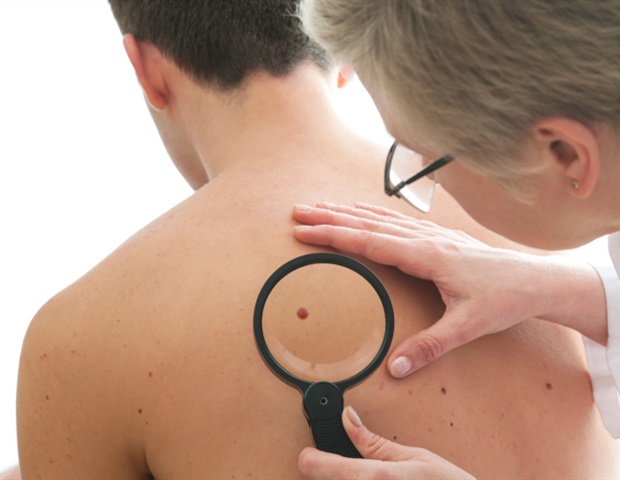
A closely tracked personalized melanoma vaccine met its main goal. Its effect on distant spread came in far smaller than an earlier study suggested in a late-stage trial.
An experimental vaccine developed by Merck and Moderna could become the first vaccine of its kind used to treat cancer. Scientists hope it won't be the last.

A few months ago, Georgina Long received a message asking her to call a collaborator at Merck & Co. She feared the worst.
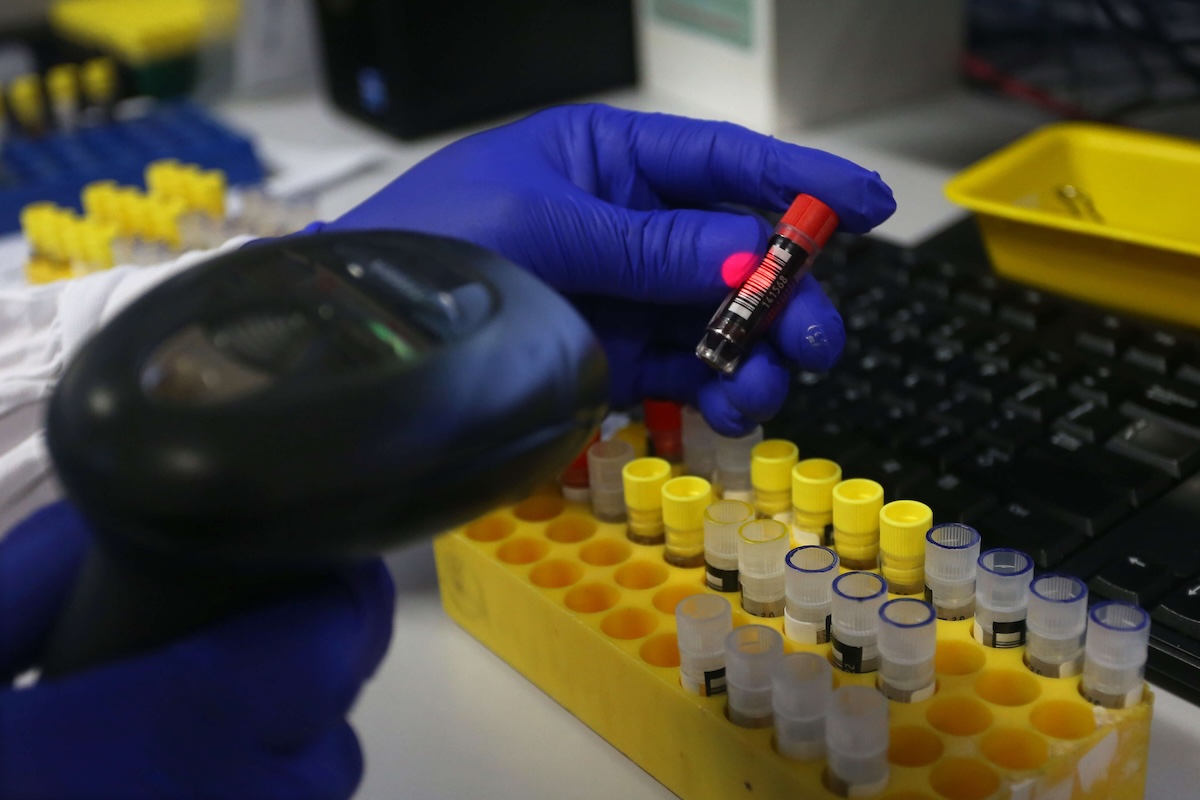
A vaccine designed around each patient's own melanoma reduced the relative risk of cancer returning or death by 42% when added to immunotherapy after surgery, according to results from a large…

Aol, Fox News and 8 more

Aol, Forbes and 10 more


The New York Times, New York Post and 10 more