
Nobel Prize in Chemistry Is Awarded to Henri Kagan and Kenso Soai
The New York Times, USA Today and 10 more

Margaret Hamilton, the MIT computer scientist who led the team that wrote the onboard flight software for NASA's Apollo moon missions, died Sept. 30 in a Cambridge, Massachusetts, hospital. She was 90. Her code kept Apollo 11's landing on track in 1969 when computer alarms went off, and she is credited with popularizing the term software engineering.
Margaret Hamilton, whose software helped carry the first astronauts to the moon, died Sept. 30 in a Cambridge, Massachusetts, hospital. She was 90. Her daughter, Lauren, confirmed the death, and MIT, where Hamilton worked for close to two decades, announced it. CNN reported that the cause was not disclosed. NASA Administrator Jared Isaacman wrote on X that her work helped make humanity's first trips to the moon possible. She is survived by her daughter, a son-in-law, two grandsons, four great-grandchildren and three siblings. A memorial service is planned for the spring in Cambridge. [1] [3] [4] [7] [10] [12]
Her best-known moment came on July 20, 1969. About three minutes before Apollo 11's lunar module, Eagle, touched down, its computer flashed alarms numbered 1201 and 1202, and Mission Control had to decide whether to abort. The computer was overloaded. TheRegister.com says the extra load was traced to unwanted inputs from the rendezvous radar system, while The New York Times says some historians blame a switch an astronaut flipped. Hamilton's software was built for this: it dropped less important tasks so the landing could go on. "I like to say not only was it the first human on the moon, but the first software to run on the moon," she told CBS Boston in 2019. [1] [3] [7] [10] [11] [12]
Hired in 1965 as the first female programmer on MIT's Apollo project, Hamilton rose to lead the onboard flight software work. Outlets differ on the team's size: The New York Times, The Boston Globe and CNN describe 100 people, while MassLive and IFLScience put it above 400. After her 4-year-old daughter crashed a simulator, Hamilton pushed for a safeguard that was at first turned down; an astronaut later made the same error on Apollo 8. She popularized the term software engineering to win respect for the work, later founded two companies, and received the Presidential Medal of Freedom from President Barack Obama in 2016. [1] [5] [6] [7] [9] [10] [12]
Summary written by Vox Populi News from the 12 sources below. See all sources
When Eagle's computer became overloaded minutes before touchdown and set off alarms, her software told it to drop nonessential tasks and keep running the landing. Mission Control decided not to abort, and the crew landed safely. [1] [3] [7] [11] [12]
She died Sept. 30 at a hospital in Cambridge, Massachusetts, at age 90. A memorial service is planned for the spring in Cambridge. [1] [3] [4] [7]
Hamilton's 4-year-old daughter, Lauren, crashed a command module simulator by starting a pre-launch program in the middle of a simulated flight. Hamilton asked for a safeguard, and after astronaut Jim Lovell made the same mistake on Apollo 8, the software was changed. [6] [10] [12]
Margaret Hamilton, who lead the 100-person team that wrote the onboard software for the Apollo missions, guiding Neil Armstrong and Buzz Aldrin to a safe landing on the moon, died Sept.

She found her insistence on such openness between man and machine put to an unusually public test in 1969, when Apollo 11 astronauts descended to the lunar surface for the first moon landing.

Neal J. Riley is a digital producer for CBS Boston. He has been with WBZ-TV since 2014. His work has appeared in The Boston Globe and The San Francisco Chronicle.
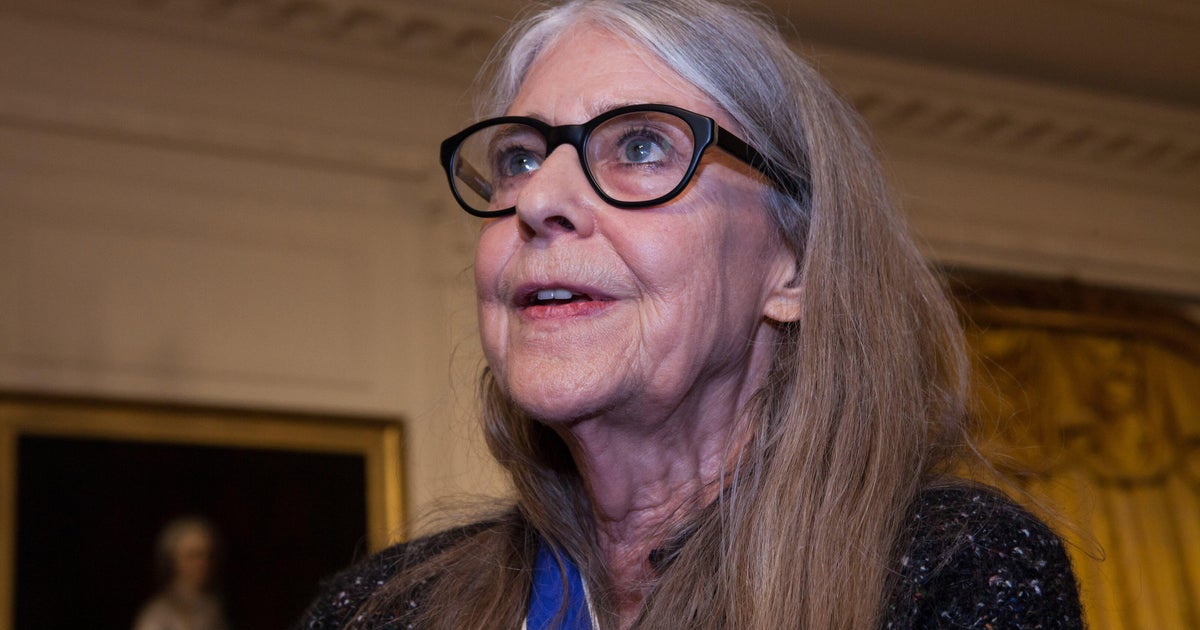
Margaret Hamilton, a groundbreaking computer scientist who led the team that created the onboard flight software for NASA's moon-bound Apollo program and later in life was celebrated as a powerful…

Margaret Hamilton, who led the 100-person team that wrote the onboard software for the Apollo missions, guiding Neil Armstrong and Buzz Aldrin to a safe landing on the moon, died Sept.

Margaret Hamilton, who coined the term "software engineering" and led the development of on-board flight software for NASA's Apollo program in the 1960s, died last week at the age of 90.
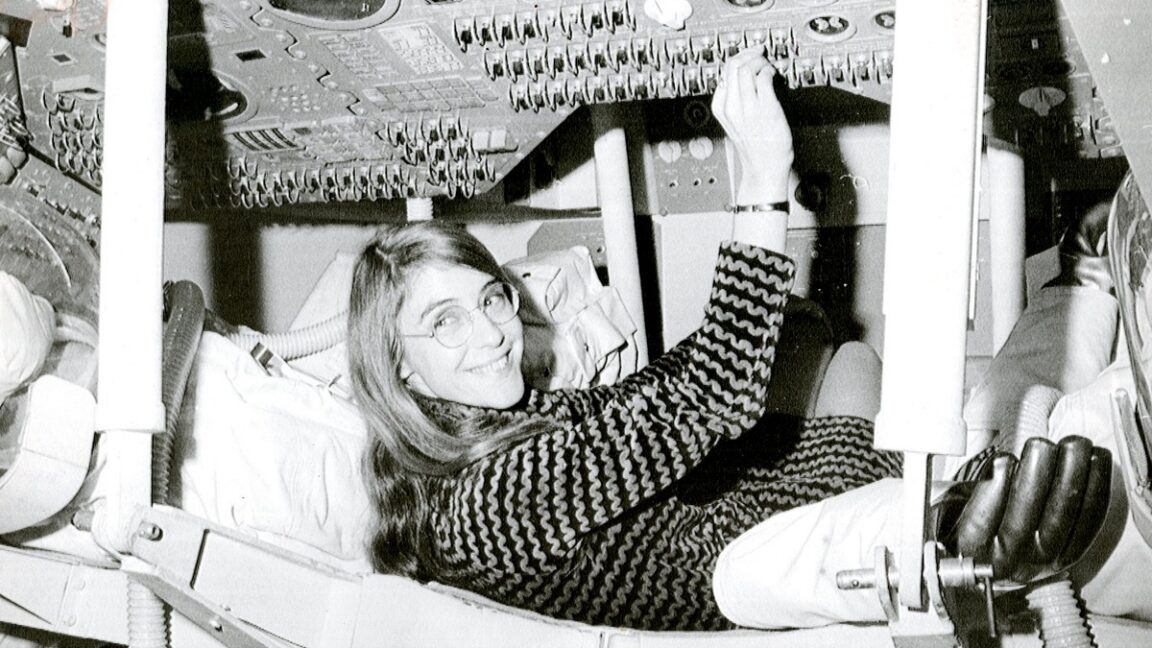
Margaret Hamilton, a pioneering computer scientist who helped establish the field of software engineering and led the MIT team that developed the onboard flight software for NASA's Apollo moon…

She was the first female programmer hired to work on the Apollo project, housed at MIT's Instrumentation Laboratory, in 1965.

She is also credited with naming the discipline of "software engineering," something that took a while to be accepted by the hardware engineers.
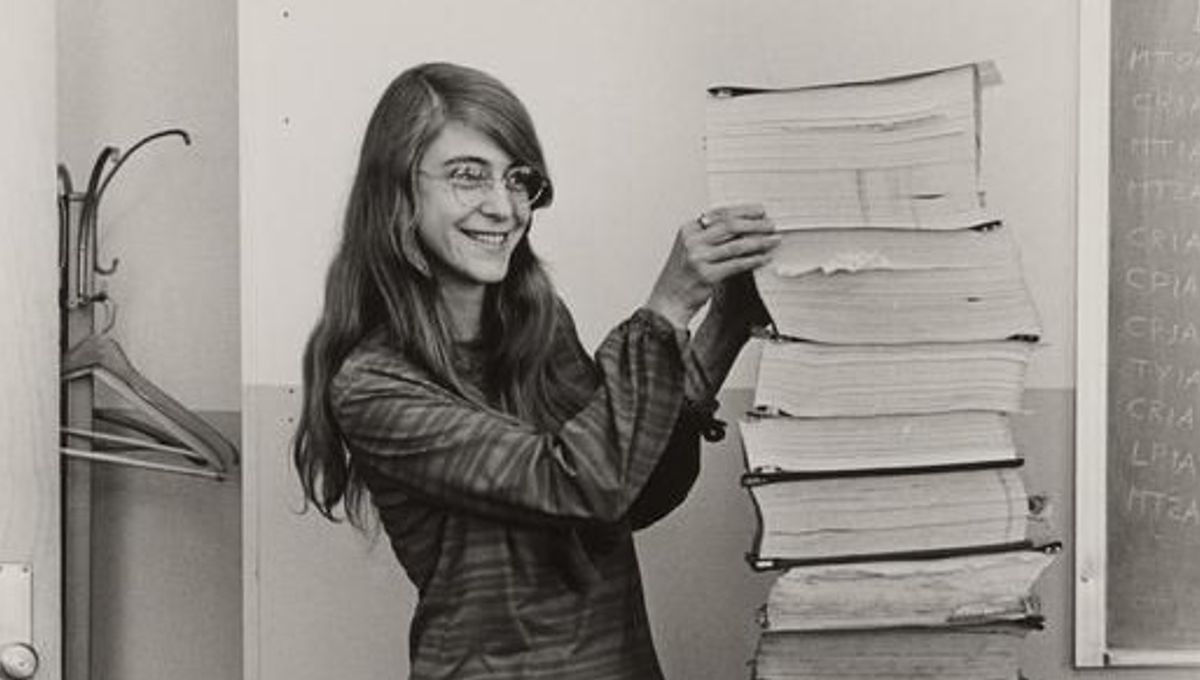
(CNN) -- Margaret Hamilton, the groundbreaking researcher who helped create the field of software engineering and whose code helped land NASA's Apollo astronauts on the moon to win the 20th century…

Margaret Hamilton, credited with popularizing the term 'software engineering,' dies at 90 A pioneering software engineer whose code helped get humans onto the moon for the first time has died at 90.

"Forget It" was the name of a small computer program never thought to be needed, which will nonetheless go down in history along with its author, Margaret Hamilton, the American software engineer who…
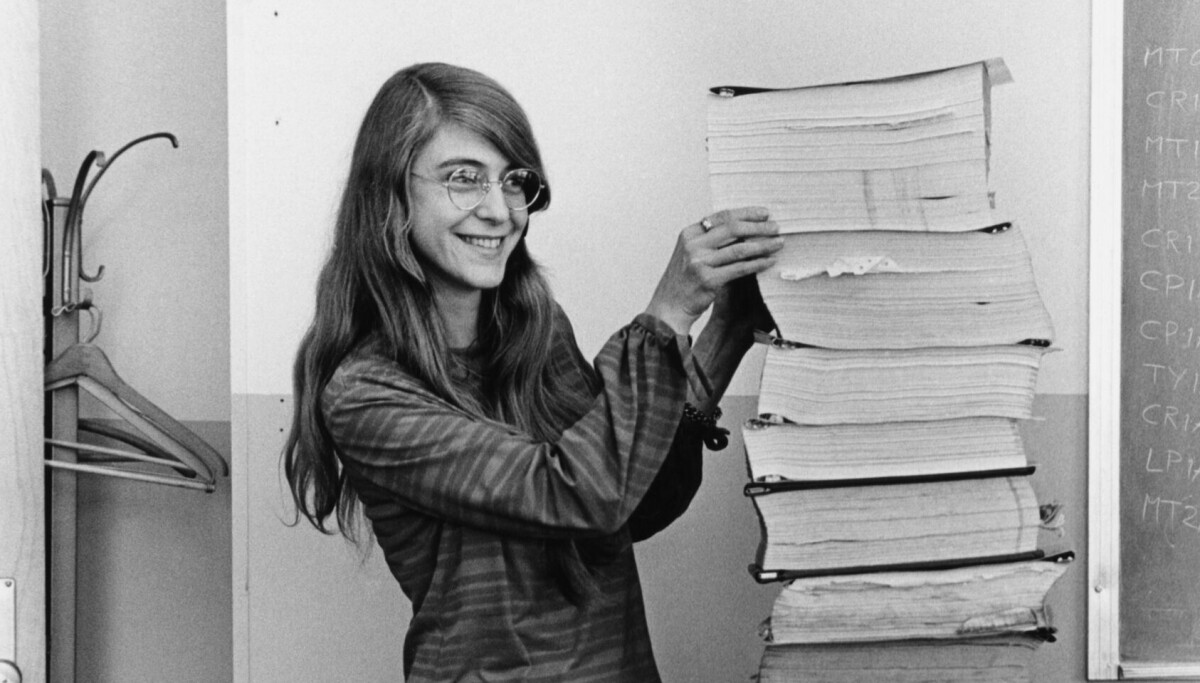
The New York Times, USA Today and 10 more

Aol, New York Post and 10 more

The New York Times, Axios and 10 more

The New York Times, Fast Company and 6 more