
Nobel Prize in Chemistry Is Awarded to Henri Kagan and Kenso Soai
The New York Times, USA Today and 10 more
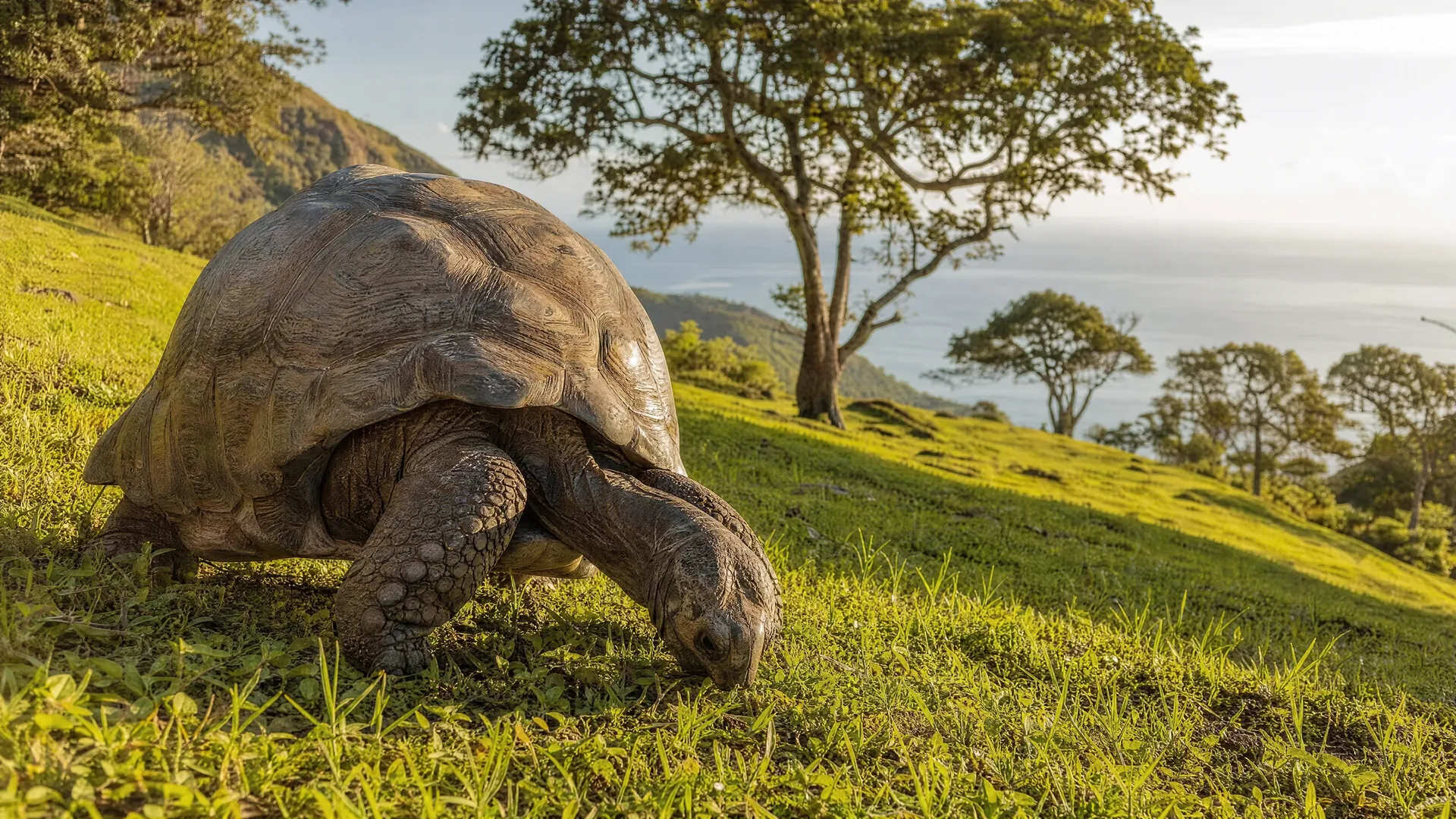
Scientists sequenced the genome of Jonathan, an Aldabra giant tortoise on St. Helena estimated at 194 years old and considered the oldest known land animal. The study, published Oct. 7 in Science Advances, found 287 unique gene variants and unusually youthful gene switches tied to mitochondria, the cells' energy producers. Researchers say that doesn't yet prove the cause.
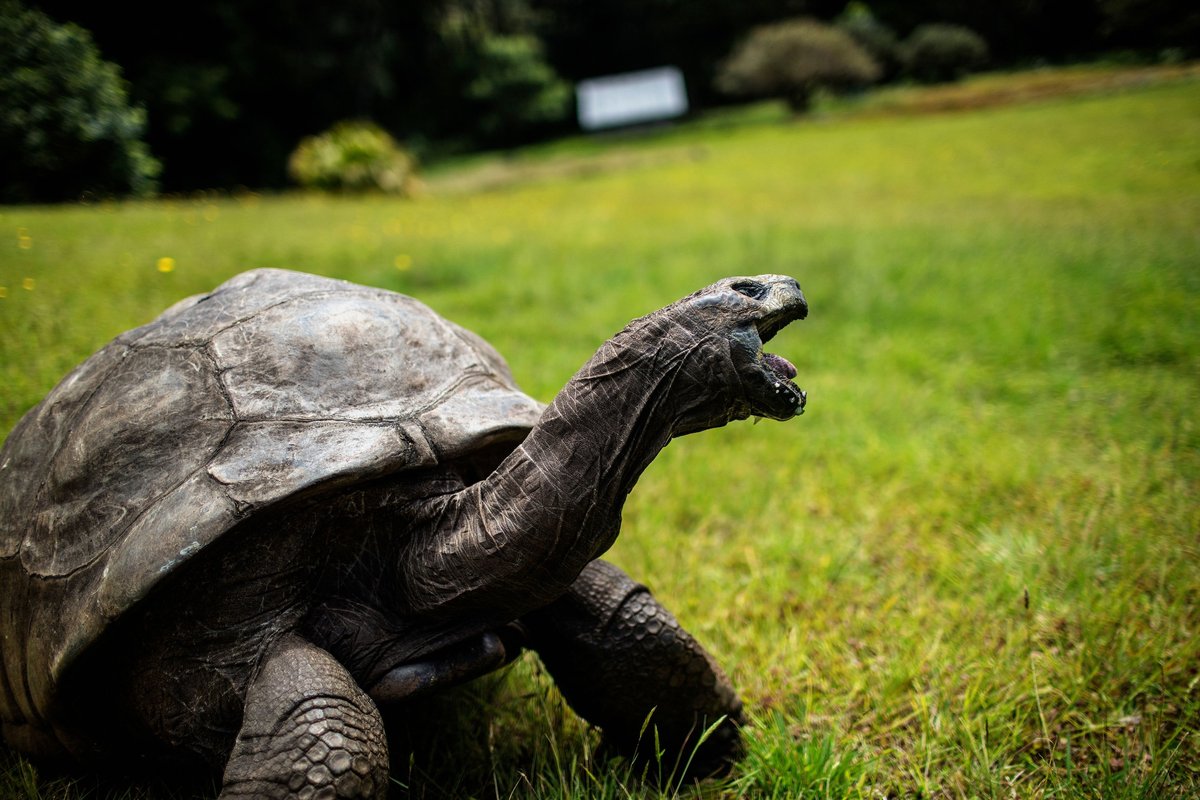
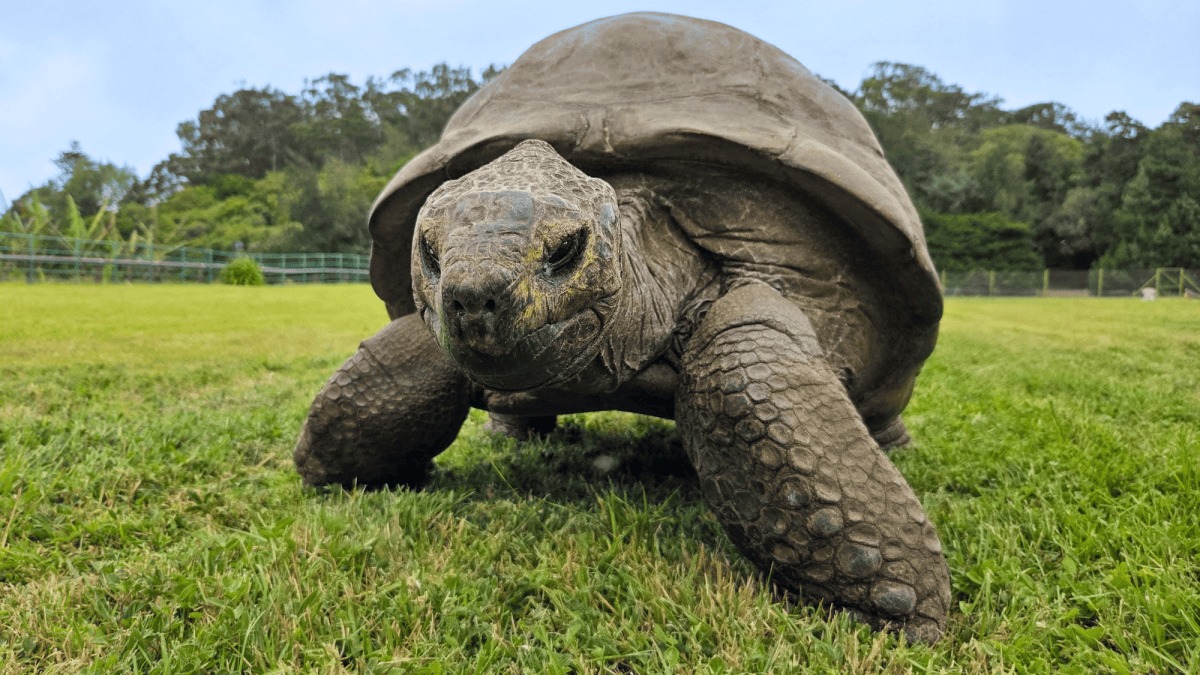
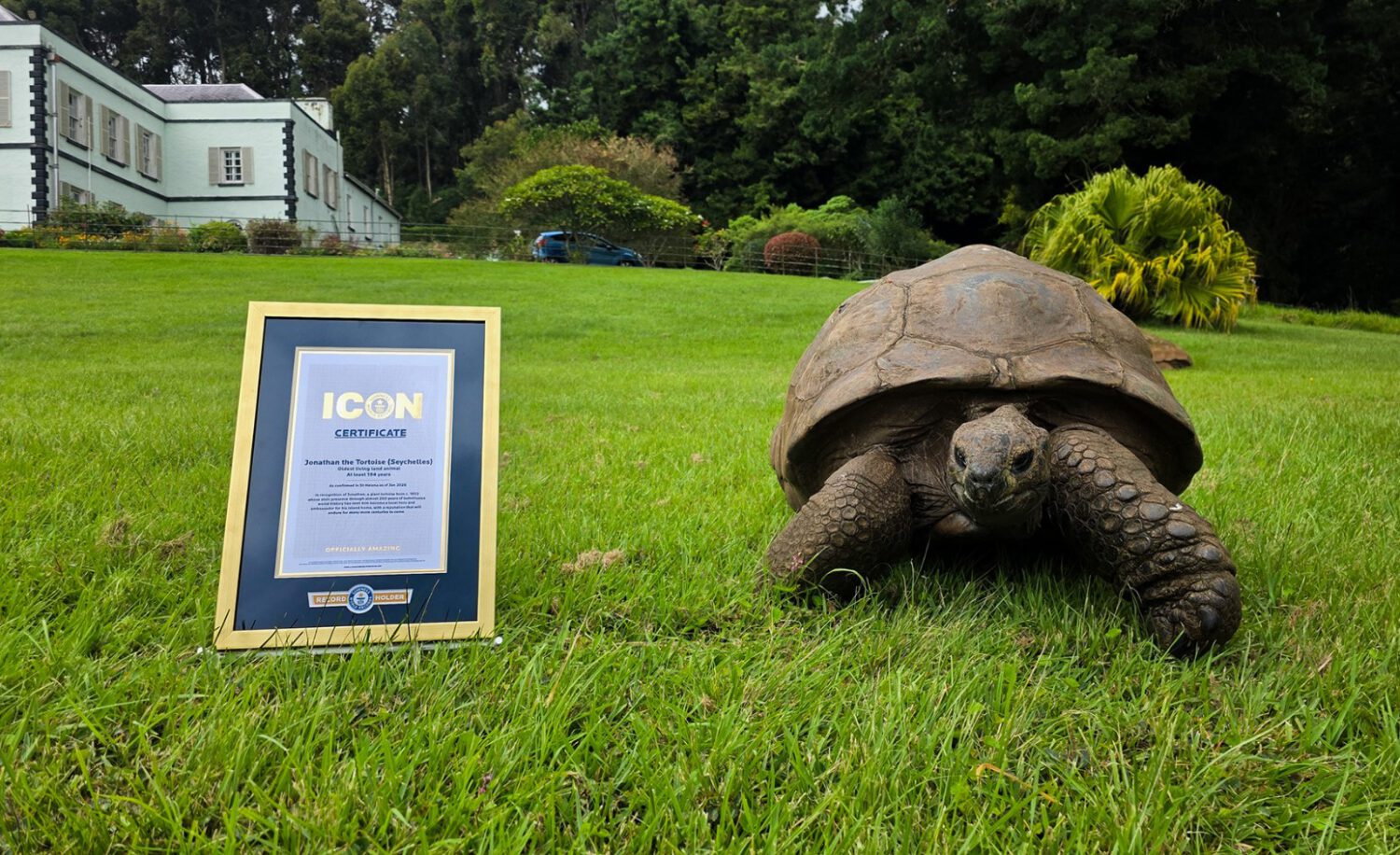
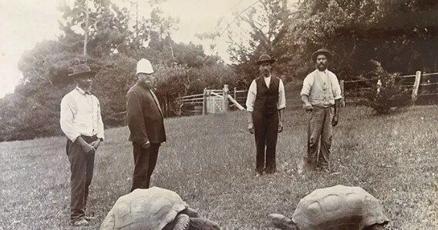
Jonathan has been around since about 1832, and now scientists have read his DNA for the first time. The Aldabra giant tortoise lives on the grounds of the governor's residence on St. Helena, a remote British island in the South Atlantic. He is blind from cataracts but still hears well. A team led by the Kallel Foundation, a Nashville longevity nonprofit founded by Stephen Clark, reported Oct. 7 in Science Advances that Jonathan carries 287 gene variants not found in the other tortoises studied. Some of those genes are involved in repairing DNA, maintaining telomeres (the protective caps on chromosomes), regulating insulin and suppressing cancer. [1] [3] [4] [5] [7] [9] [12]
The finding that surprised the team came from the chemical tags that switch genes on and off, known as the epigenome. Across most of his genes, Jonathan's tags had grown disordered with age, as expected. But in 272 genes, many tied to mitochondria, the tags stayed as orderly as a young tortoise's. Clark suspects a loop: healthy mitochondria make the energy that keeps them healthy. Getting the DNA wasn't easy. Island officials refused a blood draw over health concerns, so veterinarian Joe Hollins scraped cells from Jonathan's cheek. Gaps had to be filled with another tortoise's DNA, leaving a sequence Clark says is about 95 percent Jonathan. [1] [4] [5] [6] [8] [9]
Researchers stress this is an early step. Clark says they can't say whether the orderly genes keep Jonathan alive or result from something else. Outside scientists urge caution, too. Björn Schumacher of the University of Cologne noted that Jonathan's round-the-clock care could make him an outlier, and Vincent Lynch of the University at Buffalo said his full genetic profile can't be known until tissues are available after his death. Next, Kallel hopes to study more Aldabra tortoises and other long-lived species, and to test older generic drugs for aging. Clark said that with enough funding, "we could start next year." [1] [2] [4] [5] [6] [9]
Summary written by Vox Populi News from the 12 sources below. See all sources
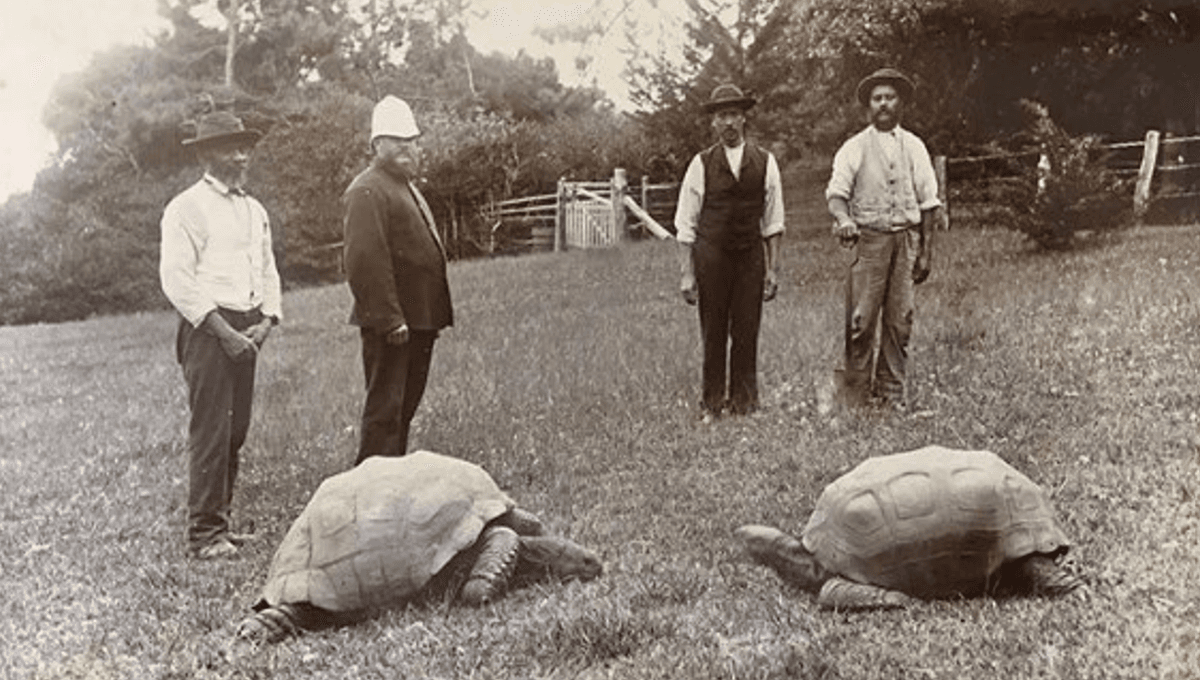
Jonathan is estimated to be about 194 years old, based partly on photos showing him fully grown around 1882, when he arrived on St. Helena from the Seychelles. St. Helena officially recognized Dec. 4, 1832, as his birthday, though the exact date is uncertain. [6] [8] [9] [12]
Clark hopes the findings will point to drugs that keep human mitochondria younger, but researchers say the results are preliminary and come from a single animal. Any human use would take extensive testing, and it will take a long time to know whether it is possible. [2] [3] [6] [8]
Dr. Joe Hollins slides a thick welding glove onto his left hand and grips a cotton swab tightly in his right.

Why it matters: The researchers say the work now underway could help identify medical interventions that help humans stay healthy longer.
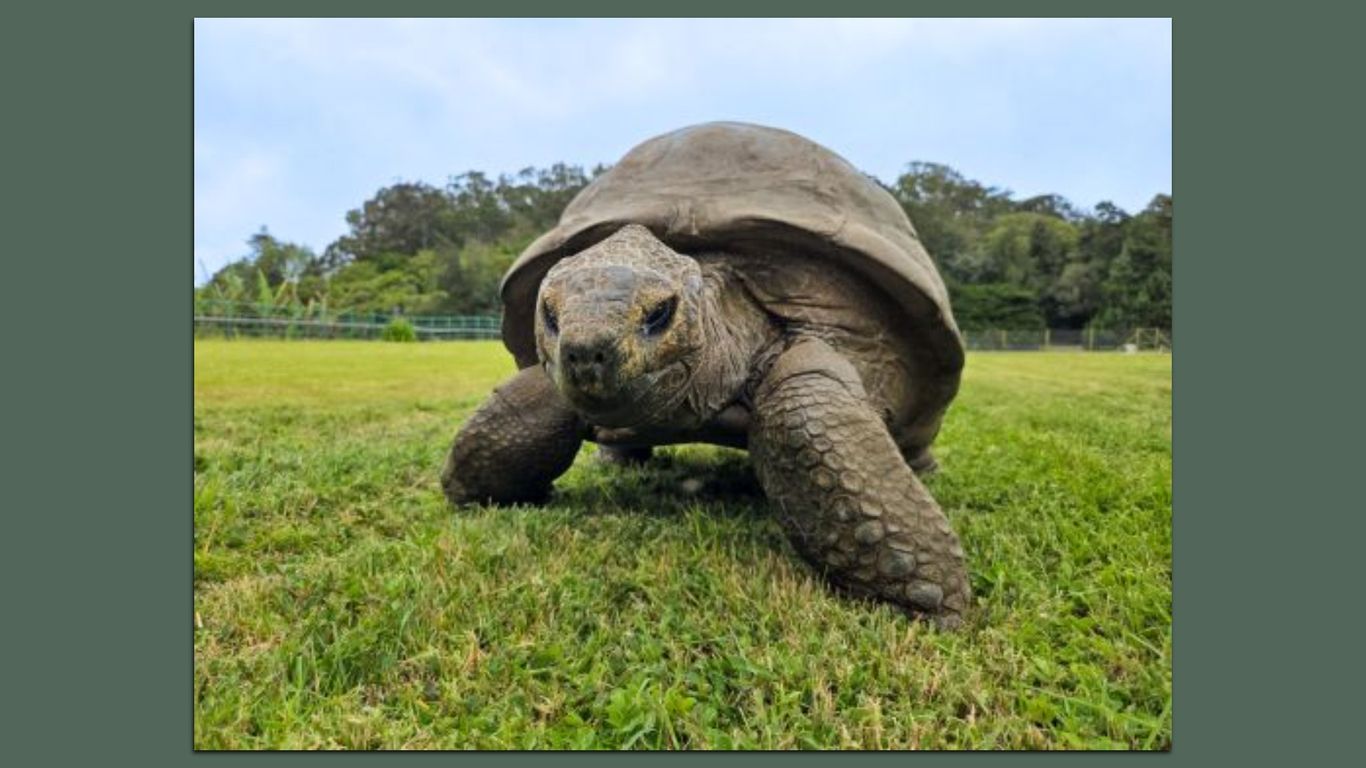
On April 1 of this year, several news outlets reported the death of Jonathan, the nearly bicentenarian giant tortoise. Thankfully, the rumors of Jonathan's demise were greatly exaggerated.
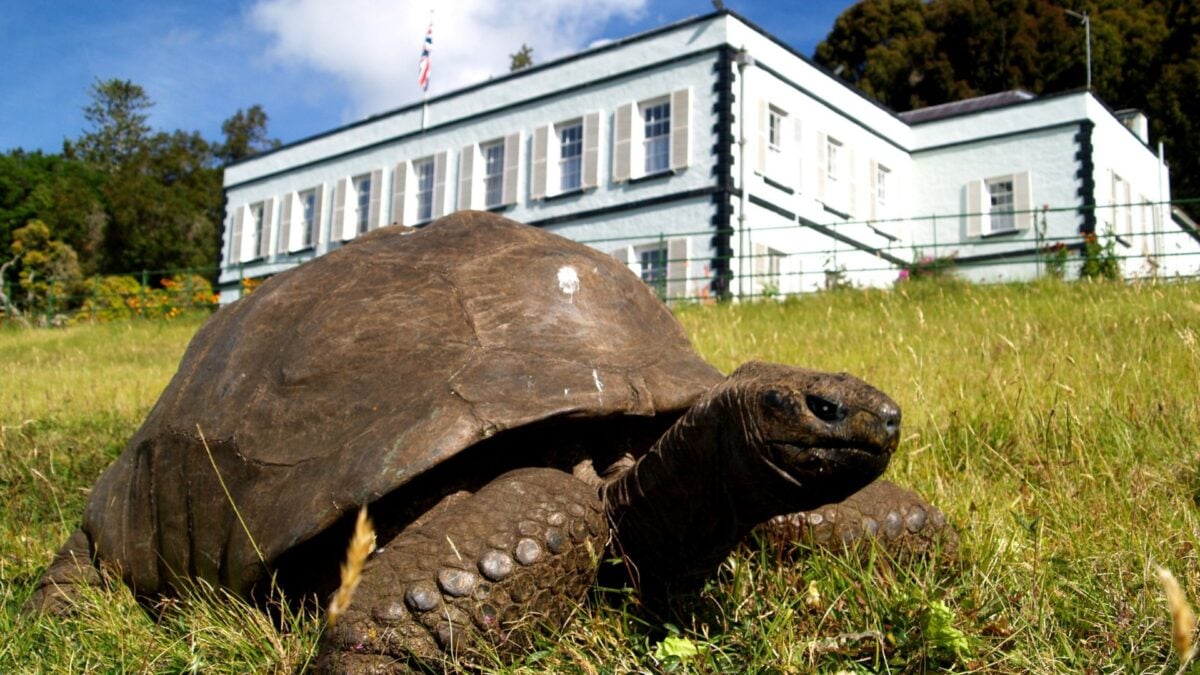
The remote south Atlantic island of St. Helena boasts an international celebrity: the tortoise Jonathan, the oldest living land animal.
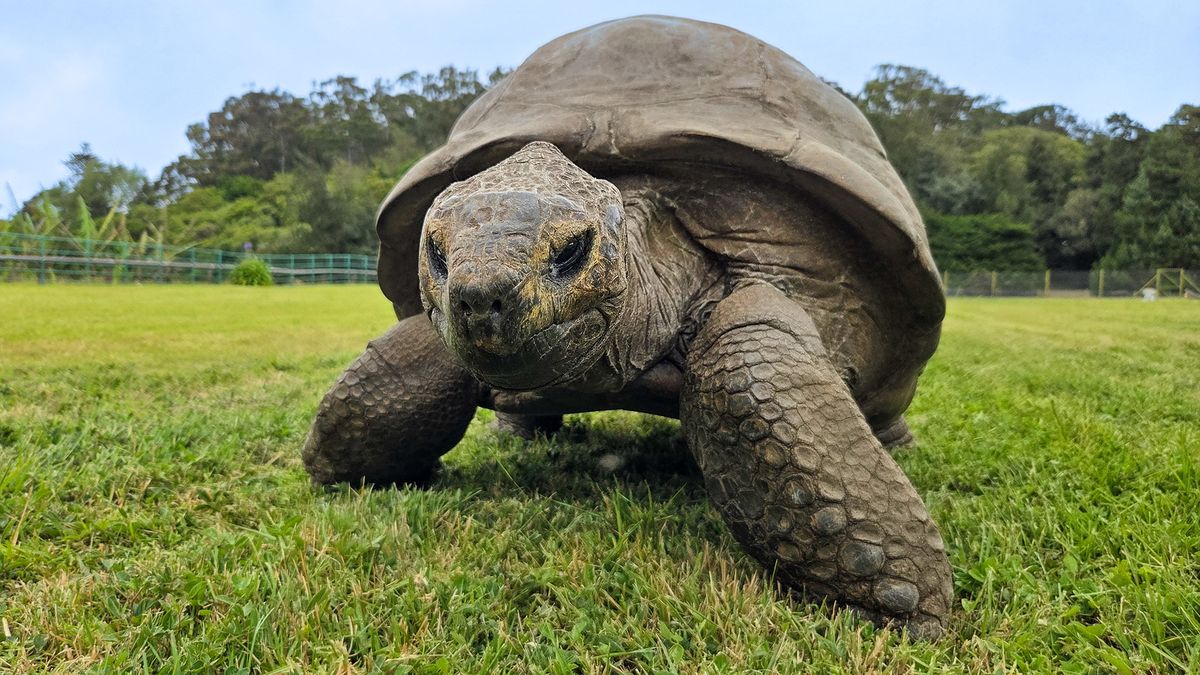
Since he was mature at the time of his arrival, researchers estimate he's around 192 to 194 years old.
I agree my information will be processed in accordance with the Scientific American Inc. Privacy Policy. We leverage third party services to both verify and deliver email.
More information Adding us as a Preferred Source in Google by using this link indicates that you would like to see more of our content in Google News results.
Findings remain observational, requiring further validation before any application to human aging research.
An international collaboration led by a neurologist and experts in advanced genomics at Vanderbilt Health has coaxed one of the secrets of extreme longevity from a 194-year-old giant tortoise named…
Scientists studying Jonathan's genetic mechanisms aim to translate evolutionary insights into practical, affordable treatments for aging-related chronic diseases, with the goal of democratizing…

Add Yahoo as a preferred source to see more of our stories on Google. The DNA from the world's oldest tortoise may hold the secret to human ageing, as scientists say the animal's super genes could…

A giant tortoise called Jonathan could hold the key to living to 200 years of age, say scientists.
The New York Times, USA Today and 10 more

The New York Times, The Wall Street Journal and 10 more

Aol, New York Post and 10 more

The New York Times, Fast Company and 6 more