
Nobel Prize in Chemistry Is Awarded to Henri Kagan and Kenso Soai
The New York Times, USA Today and 10 more
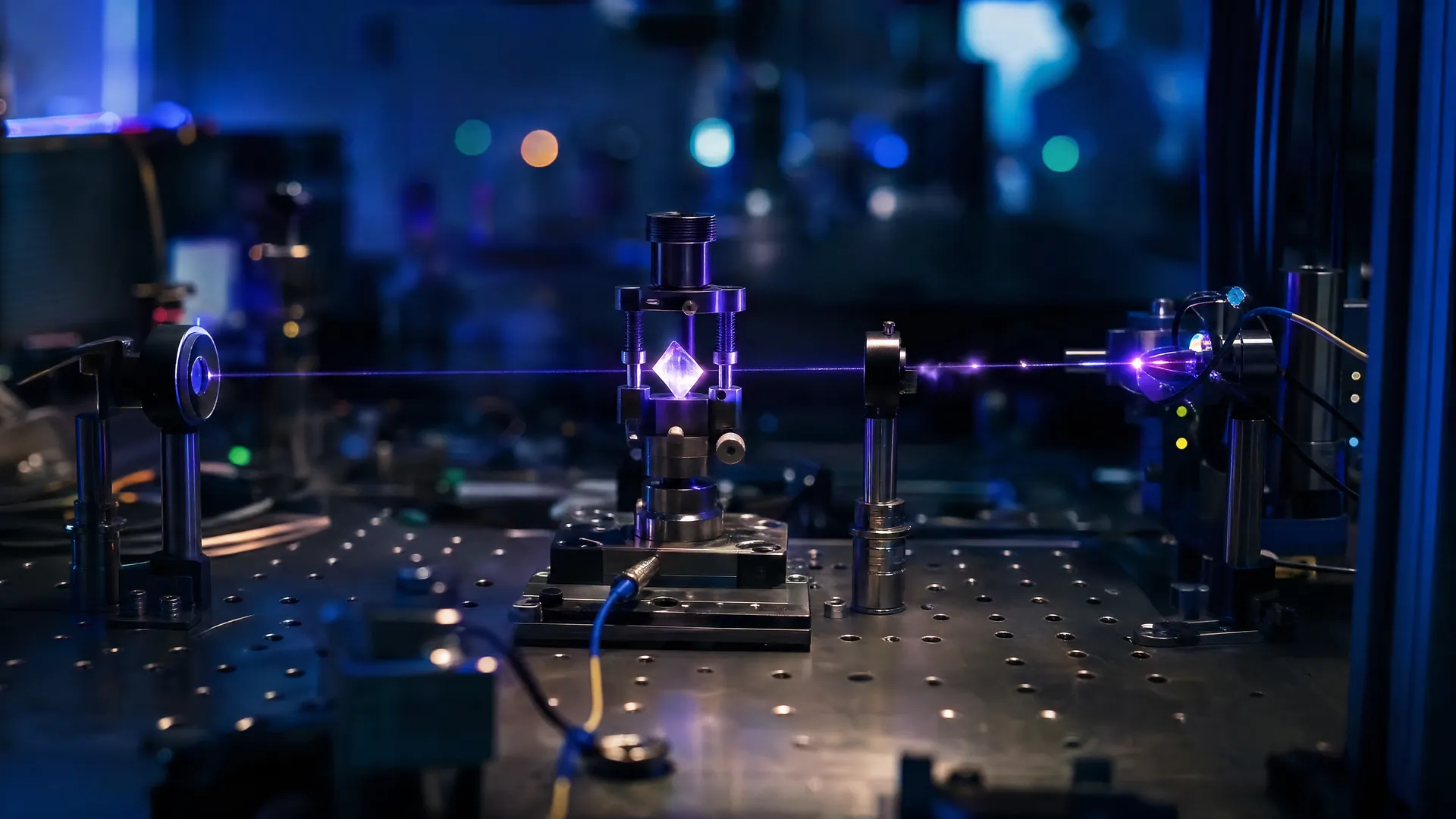
Two independent teams, one at TU Wien in Vienna and one at Tsinghua University in Beijing, have built the first working nuclear clocks, reported in Nature on October 7. The clocks keep time using thorium-229 nuclei, not electrons. They don't yet beat the best atomic clocks, but researchers expect them to improve.
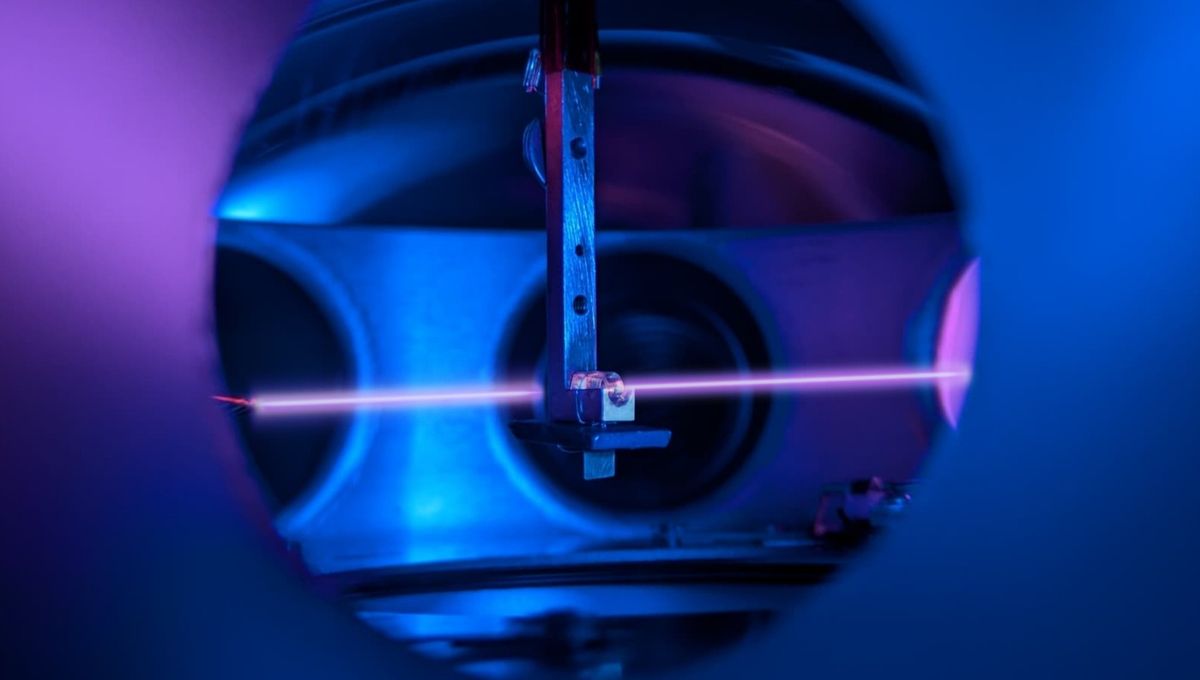
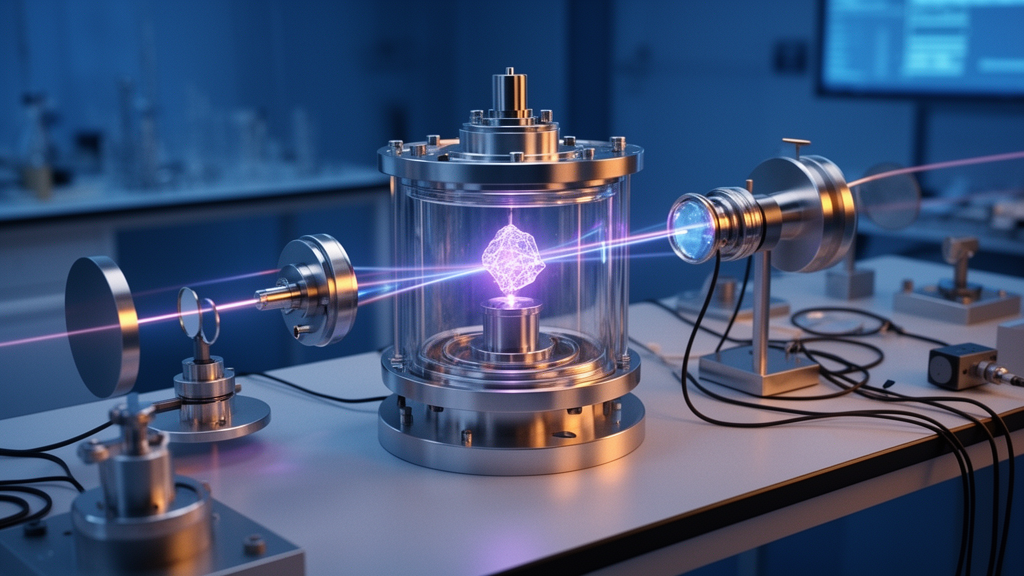
For the first time, clocks are keeping time by watching the heart of an atom instead of its outer electrons. Separate teams in Vienna and Beijing each built a working nuclear clock, and they described their results in two papers published in the journal Nature on Wednesday, October 7. Both clocks use thorium-229, a rare radioactive isotope, held inside calcium fluoride crystals. A laser tuned to an ultraviolet wavelength of 148 nanometers nudges the thorium nuclei back and forth between two energy states, and counting those flips marks time. Thorium-229 is the only known nucleus that a laser can switch this way. [1] [3] [4] [6] [7] [8]
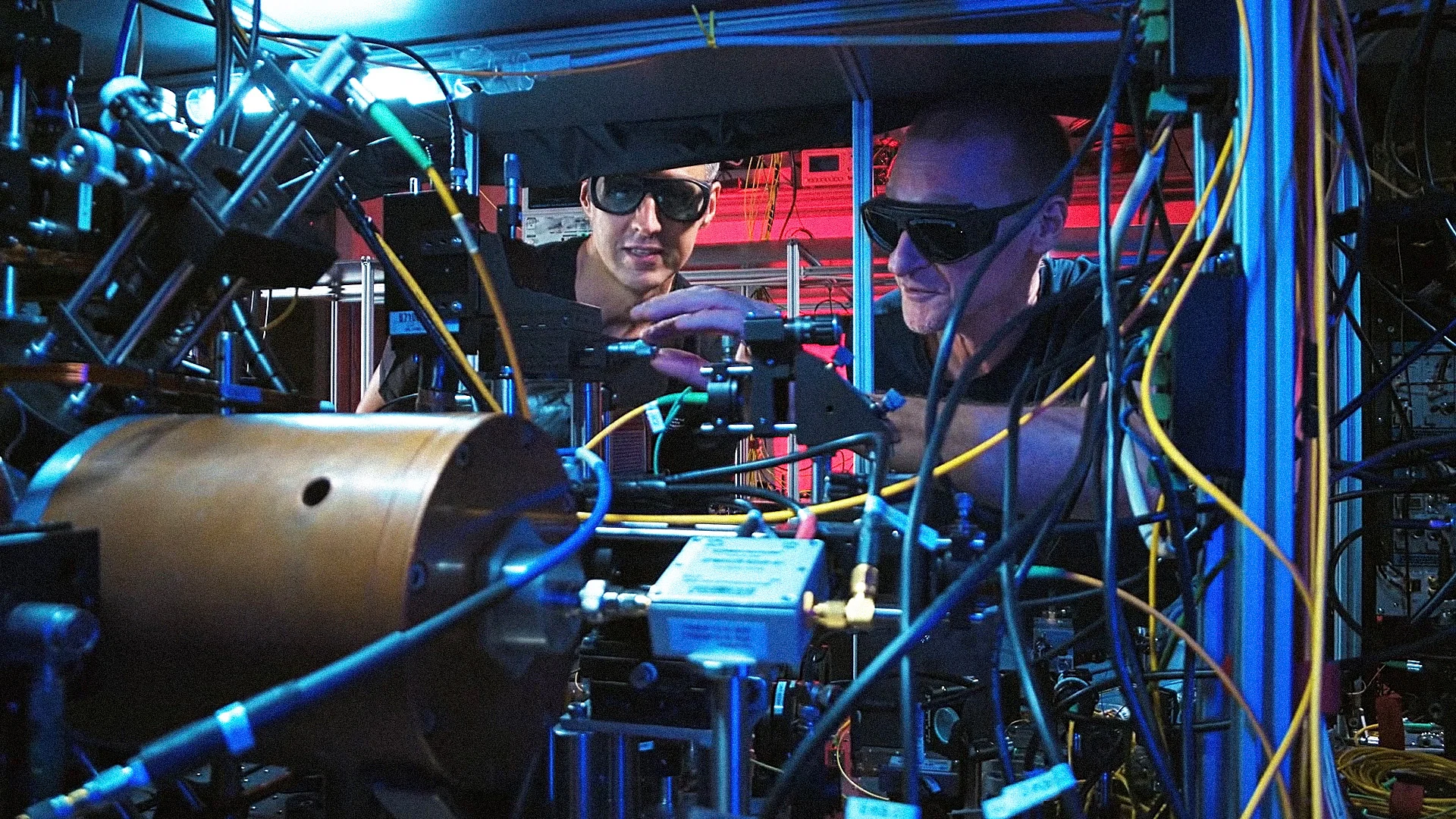
The teams took different routes. Beijing's group, which Shiqian Ding of Tsinghua University helped lead, had only one microgram of thorium-229, so it built a powerful laser using heated cadmium gas. Vienna's team, which Thorsten Schumm of TU Wien helped lead with Germany's national metrology institute PTB, had thorium-rich crystals. Its clock corrects its own laser and ran for more than 24 hours untouched. Accuracy figures differ. The New York Times says the Vienna clock would lose a second every few million years, TU Wien says about one second in 30 million years, and IFLScience says one every 30,000 years. Popular Science reports Beijing's clock is about six times as stable. [1] [3] [4] [5] [6] [8]
Neither clock beats today's best atomic clocks, which underpin GPS and the official definition of a second. Schumm said the nuclear clock still has a long way to go before it reaches the performance researchers are aiming for. He noted that combining Vienna's better crystals with Beijing's stronger laser could already produce a significantly better clock. Researchers say nuclear clocks might one day prove more reliable and more portable, and Schumm sees possible uses in satellite navigation, data synchronization and surveying. The Vienna team also used its clock to look for dark matter, the unseen material that makes up most of the universe's matter. It found no signal, which Schumm said was no surprise. [1] [3] [6]
Summary written by Vox Populi News from the 8 sources below. See all sources
It is a clock that keeps time by using a laser to flip an atom's nucleus between two energy states, rather than tracking electrons the way atomic clocks do. Both new clocks rely on thorium-229, a rare isotope whose nucleus can be switched by laser light. [4] [6] [8]
Sign up for Science Times Get stories that capture the wonders of nature, the cosmos and the human body. Get it sent to your inbox. Telling time is an affair of counting ticks and tocks.

The new atomic clock from physicists in Singapore has crushed all previous records. Physicists in Singapore have built an atomic clock so precise that it measures time down to the 19th decimal place.
A resonator keeps the atoms in an excited state, locking in the natural frequency and using that as a perfect ticking clock. A single second corresponds to 9,192,631,770 cycles of this transition.
More information Adding us as a Preferred Source in Google by using this link indicates that you would like to see more of our content in Google News results.
A decisive breakthrough: TU Wien is now home to the world's first prototype of a new timekeeping technology that is expected to set major precision records For decades, researchers around the world…
Scientists in Vienna and Beijing create world's first nuclear clocks By Will Dunham Breakthrough in Nuclear Timekeeping Technology Oct 7 (Reuters) - Scientific teams working separately in Vienna and…
Chinese researchers have developed a thorium-229 nuclear optical clock, pushing precision timekeeping from electron transitions to transitions inside the atomic nucleus.
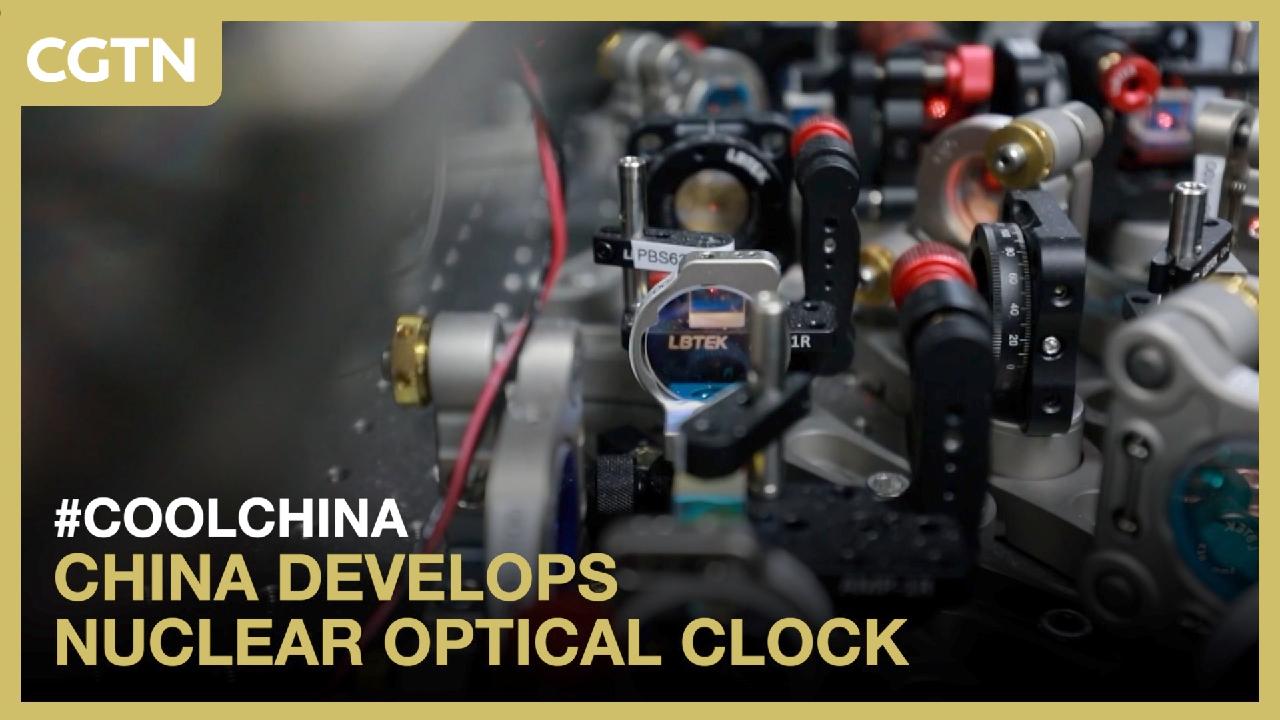
For decades, the most precise timekeeping devices on Earth have shared a common design: they tick using electrons.
The New York Times, USA Today and 10 more
The New York Times, The Wall Street Journal and 10 more

Aol, New York Post and 10 more

The New York Times, Axios and 10 more