Nobel Prize in Chemistry Is Awarded to Henri Kagan and Kenso Soai
The New York Times, USA Today and 10 more
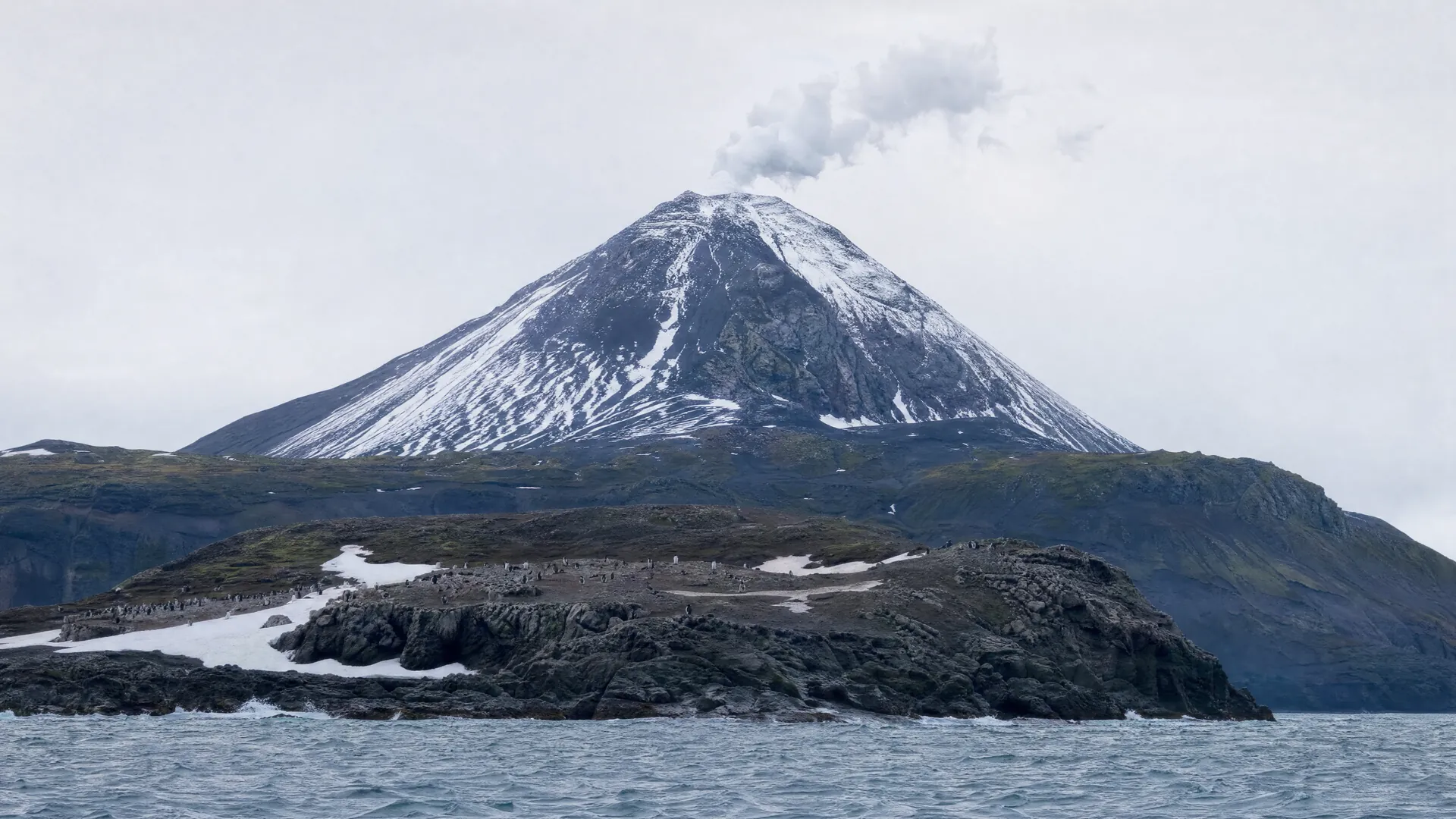
Zavodovski Island, a remote volcanic island in the South Sandwich Islands near Antarctica, is no longer the world's largest penguin colony. A British Antarctic Survey study published in Current Biology found its chinstrap penguins fell 63% between 2011 and 2025, a loss of more than half a million birds. Researchers link the decline to climate-driven krill shortages.
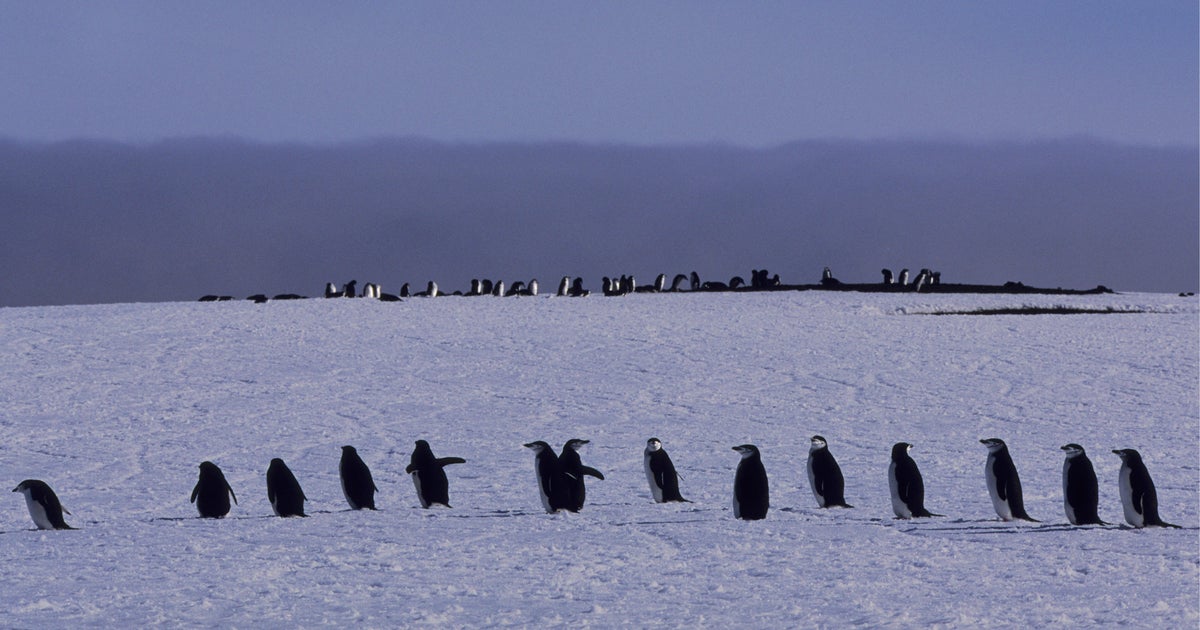
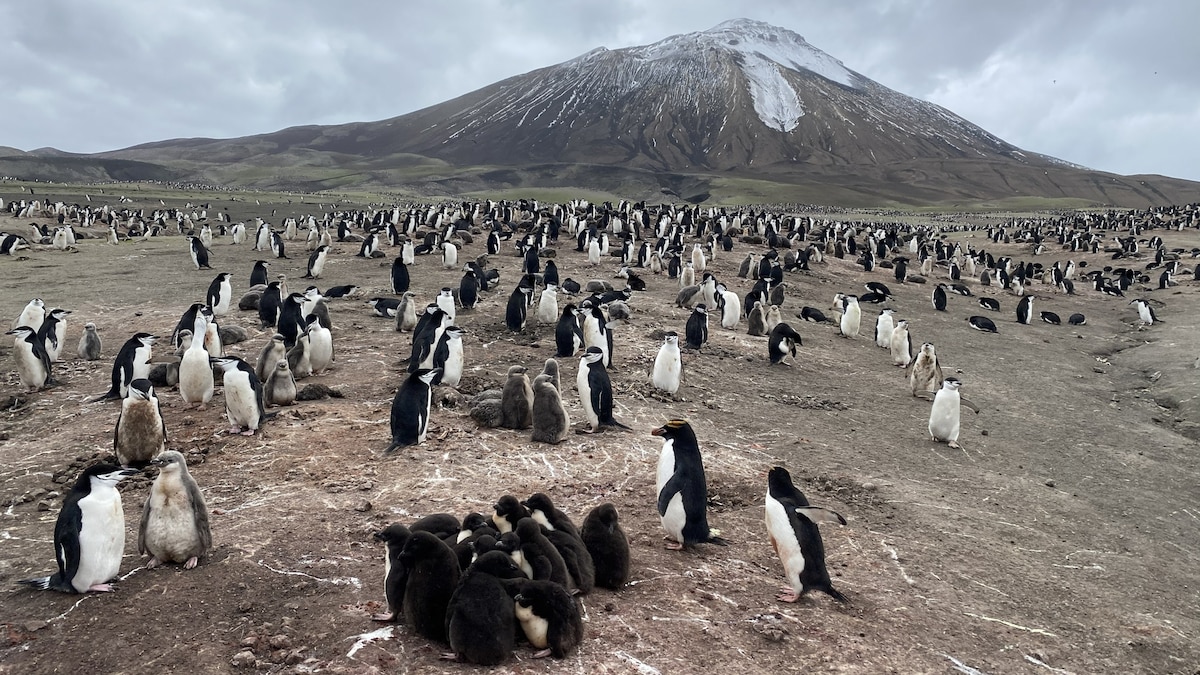
On a windswept, uninhabited island near Antarctica, more than half a million chinstrap penguins have disappeared in about 15 years. British Antarctic Survey researchers say Zavodovski Island's chinstraps dropped from about 1.09 million breeding birds in 2011 to 402,000 in 2025, a 63% fall. Yahoo News UK gives lower figures of about 550,000 falling to just over 200,000, though it also reports a 63% drop in occupied nests. Lead author Norman Ratcliffe called it "an enormous population crash" and said numbers have fallen about 7% a year. The title of largest colony now goes to the Adélie penguins of Cape Adare in the Ross Sea. [1] [2] [3] [5] [6] [7]
The researchers point to food. Chinstraps rely almost entirely on krill, tiny shrimp-like creatures. Warming waters are pushing krill south, and chinstraps avoid sea ice, so they can't follow. The team ruled out a 2016 eruption of the island's Mount Curry volcano, because the decline began earlier and held steady. They also found no evidence that competition for nesting space or krill fishing was to blame. Macaroni penguins, which eat a wider range of prey, did better. CBS News reports they grew from about 338,000 to 433,000 by 2025, while CNN says they rose 28% by 2016 and then held stable. [1] [2] [6] [7] [9]
The scientists say chinstraps could qualify as "endangered" on the International Union for Conservation of Nature's Red List. That would be a sharp change from their current "least concern" status, which means they aren't considered threatened with extinction. An ornithologist who was not involved in the study said the findings are "really worrying news" for chinstraps, since the South Sandwich Islands were seen as their stronghold. BAS researcher Peter Fretwell said even these remote islands cannot escape climate change. Reaching Zavodovski took the team about two weeks of rough sailing from the Falkland Islands. [1] [2] [4] [7] [8]
Summary written by Vox Populi News from the 9 sources below. See all sources
Researchers say warming oceans are pushing krill, the chinstraps' main food, farther south into icy waters the penguins won't enter. That leaves the birds with less to eat. [1] [2] [6] [9]
A remote island near Antarctica is no longer home to the world's largest penguin colony as climate-driven changes to ocean food chains likely devastated its once-thriving inhabitants and caused a…
An uninhabited volcanic island in the Southern Ocean used to be home to the largest penguin colony in the world -- but not anymore.

New research shows that a remote, uninhabited volcanic island has lost over half a million chinstrap penguins in 15 years to warming seas -- stripping the outcrop of its title as the largest penguin…
An uninhabited volcanic island in the Southern Ocean used to be home to the largest penguin colony in the world -- but not anymore.
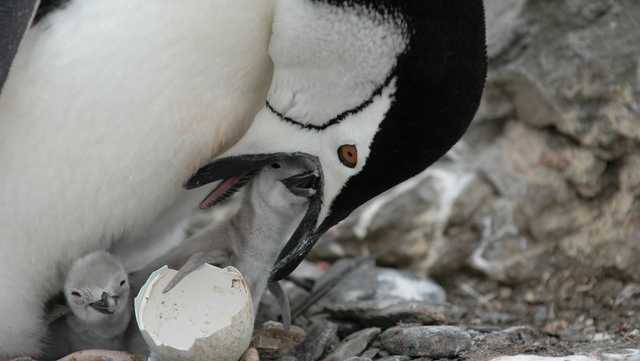
Researchers suspect climate-driven krill loss was factor in chinstrap penguins' decline What had been the planet's largest penguin colony no longer holds that title.

"Big Oil is doing everything in its power to turn this beautiful, miraculous world into a wasteland." The population of the world's largest penguin colony has collapsed, according to a new study.
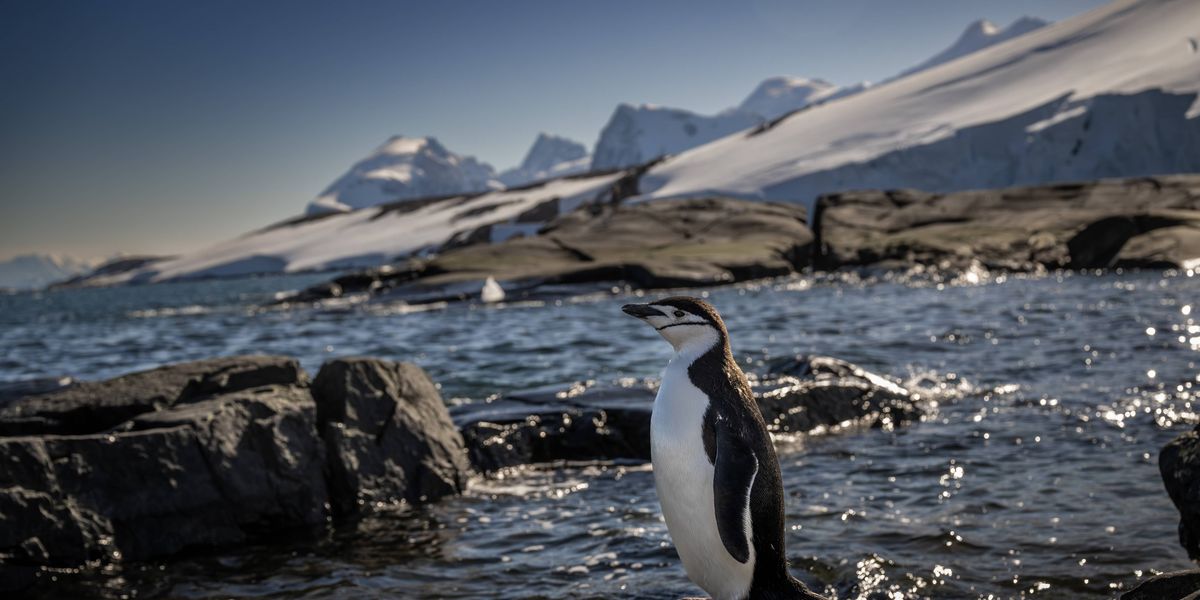
Add Yahoo as a preferred source to see more of our stories on Google. The population of a penguin colony that was previously the largest in the world has fallen by almost two-thirds, a new study has…

(CNN) -- An uninhabited volcanic island in the Southern Ocean used to be home to the largest penguin colony in the world -- but not anymore.

The number of chinstrap penguins breeding on Zavodovski Island near Antarctica has fallen by 63% since 2011, causing the colony to lose its status as the world's largest, according to researchers…
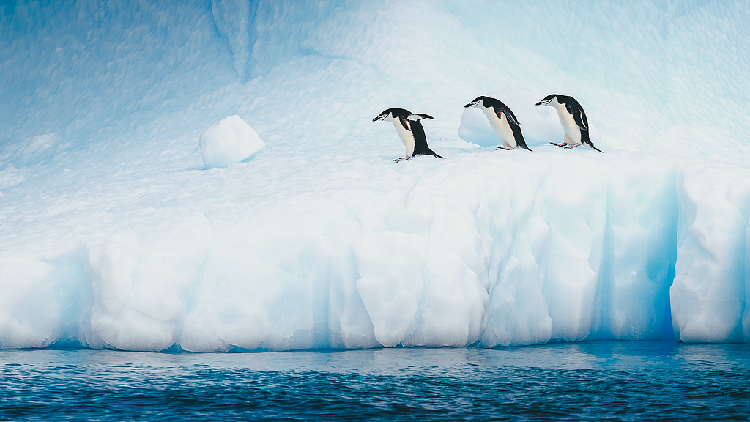
The New York Times, USA Today and 10 more

The New York Times, The Wall Street Journal and 10 more
Aol, New York Post and 10 more
The New York Times, Axios and 10 more